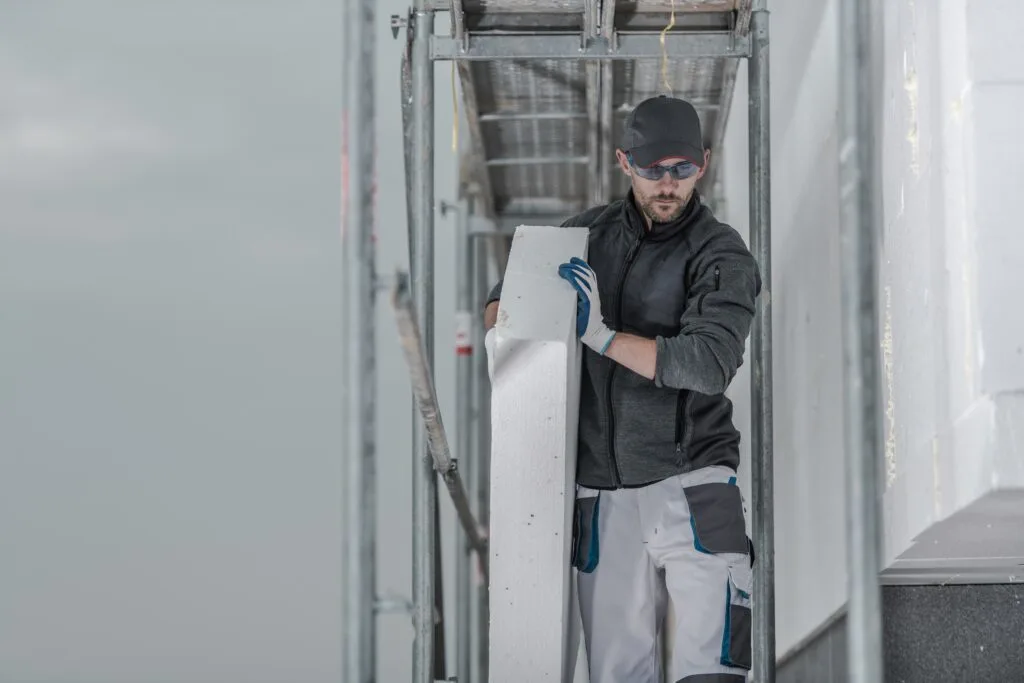
Rigid Foam Insulation in Langley: The Complete Guide to Boards, Panels & Installation
Rigid Foam Insulation in Langley: The Complete Guide to Boards, Panels & Installation If you own a home or building in Langley, BC, you already know how important good insulation is. Langley’s climate — with its wet, rainy winters and warm summers — demands an insulation system that can handle moisture, thermal fluctuations, and high energy demands year-round. That’s exactly where rigid foam insulation excels. Whether you’re building new, renovating, or upgrading an older home, rigid foam board insulation is one of the most versatile, high-performance solutions available today. At Western Insulation, we’ve been helping Langley homeowners protect their properties and lower their energy bills for over 25 years. In this guide, we’ll walk you through everything you need to know about rigid foam — what it is, how it works, where it’s used, and why it’s the right choice for homes in the Fraser Valley. What Is Rigid Foam Insulation? Rigid foam insulation — also called rigid foam board, foam board insulation, or rigid foam sheet insulation — is a type of insulation that comes in flat, solid panels made from foam-based materials. Unlike flexible batt insulation or blown-in insulation, rigid foam panels hold their shape permanently after installation. They don’t sag, settle, or compress over time. These boards are installed in continuous layers across walls, roofs, floors, and foundations, creating an uninterrupted thermal barrier that dramatically reduces heat loss and heat gain. One of rigid foam’s greatest strengths is its ability to prevent thermal bridging — the process where heat escapes through structural elements like wood studs and joists, bypassing traditional cavity insulation. By covering the entire surface of a wall or roof assembly, rigid foam boards create what builders call “continuous insulation,” which is a key requirement in modern BC building codes. Types of Rigid Foam Board Insulation Not all rigid foam is the same. There are three main types, each with its own strengths and ideal applications. Western Insulation stocks and installs all three based on what best suits your home in Langley. 1. Expanded Polystyrene (EPS) EPS is the most cost-effective rigid foam option and is also the most versatile. It offers an R-value of roughly 3.6 to 4.2 per inch, making it a practical choice for walls, roofs, below-grade slabs, and attics. EPS is semi-permeable, which means it allows inward drying of moisture — a useful property for BC’s climate. It also maintains its full R-value over the long term without degradation. EPS is an excellent choice for homeowners looking for strong performance at a budget-friendly price. 2. Extruded Polystyrene (XPS) Easily recognized by its characteristic blue, pink, or green color, XPS rigid foam board insulation delivers an R-value of approximately R-5 per inch along with outstanding moisture resistance. Its closed-cell structure prevents water absorption, which makes it the go-to choice for below-grade applications such as foundation walls, under concrete slabs, and crawlspaces. XPS is also highly durable and can withstand significant compressive loads without deforming — ideal for floors and areas where heavy weight is expected. 3. Polyisocyanurate (Polyiso) Polyiso is the premium option, offering the highest R-value per inch of any rigid foam insulation — up to R-6.5 per inch in moderate temperatures. It is most commonly used in roof insulation and exterior wall applications. Polyiso panels typically come with foil facings on both sides, which serve as a vapor retarder and can also reflect radiant heat. Because Polyiso’s R-value can decrease slightly in very cold temperatures, it’s often best suited for above-grade applications here in the Lower Mainland and Fraser Valley. Where Is Rigid Foam Insulation Used? One of the biggest advantages of rigid foam board insulation is its flexibility of application. It can be used in virtually every part of your home’s building envelope. Exterior Rigid Foam Insulation Installing rigid foam sheets on the exterior of your home — beneath the siding — is one of the most effective ways to improve your entire wall’s thermal performance. This method, known as exterior continuous insulation, eliminates thermal bridging through wall studs and dramatically improves your home’s overall R-value. Exterior rigid foam insulation is also an excellent moisture and air barrier when panels are properly sealed at the joints. Langley homeowners who are renovating their siding or building new can benefit enormously from this upgrade. Rigid Foam Roof Insulation Rigid foam insulation for roofs is one of the most common and impactful applications. Whether you have a flat roof, a low-slope commercial roof, or a cathedral ceiling with limited space, rigid foam panels insulation can be installed above the roof deck to create a highly efficient thermal barrier. This approach protects your attic-located HVAC equipment from extreme temperatures and greatly reduces heat loss through the roof. Polyiso is the most popular choice for roof applications due to its high R-value per inch and excellent fire resistance. For cold climates, tapered EPS systems are also widely used. Rigid Foam Insulation for Exterior Walls When applied to exterior walls, rigid foam boards create a seamless thermal layer that covers not just the cavities between studs, but also the studs themselves. This is critical because wood studs, while structural, are poor insulators. BC’s building code increasingly requires higher effective R-values in wall assemblies, and exterior rigid foam is one of the most practical ways to meet those requirements — especially in older Langley homes being retrofitted. Rigid Foam Floor Insulation Rigid foam is equally effective under floors and above concrete slabs. Installing a continuous layer of high-density XPS or EPS under a concrete slab-on-grade isolates the floor from the cold ground, eliminating a significant source of heat loss and preventing condensation on flooring surfaces. This is especially important in Langley homes with basement suites, slab foundations, or radiant heated floors. Basement and Foundation Insulation Basement walls and crawlspaces are another prime application for rigid foam board. XPS rigid foam, in particular, is highly resistant to moisture and doesn’t support mold growth — making it ideal for Langley’s wet winters. Installed on the interior or
Rigid Foam Insulation in Langley: The Complete Guide to Boards, Panels & Installation Read More »