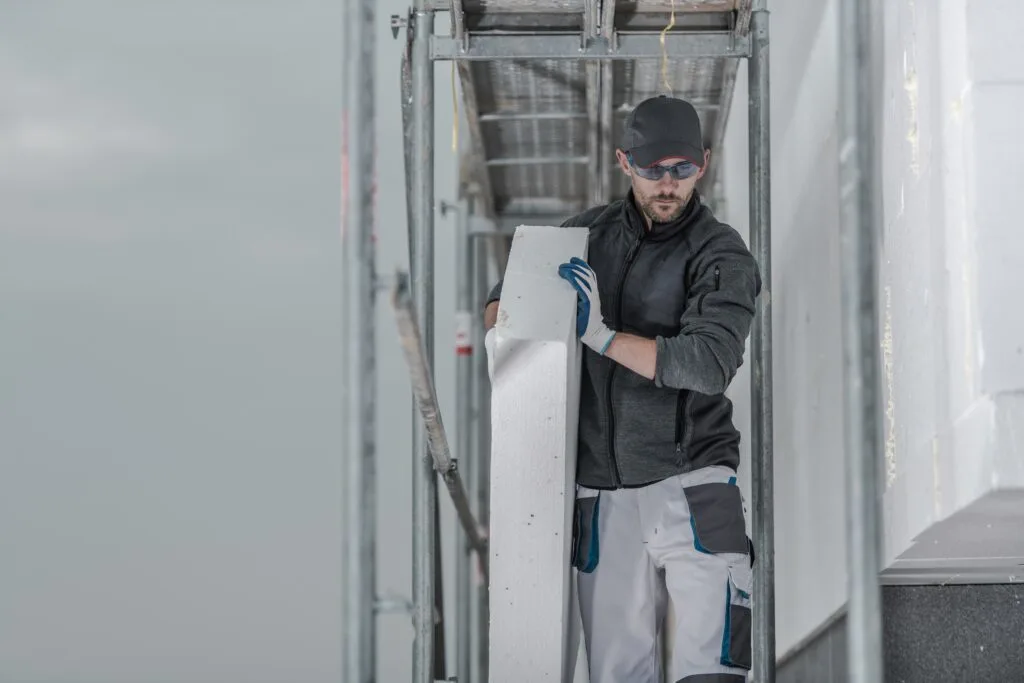
Rigid Foam Insulation in Langley: The Complete Guide to Boards, Panels & Installation
If you own a home or building in Langley, BC, you already know how important good insulation is. Langley’s climate — with its wet, rainy winters and warm summers — demands an insulation system that can handle moisture, thermal fluctuations, and high energy demands year-round. That’s exactly where rigid foam insulation excels.
Whether you’re building new, renovating, or upgrading an older home, rigid foam board insulation is one of the most versatile, high-performance solutions available today. At Western Insulation, we’ve been helping Langley homeowners protect their properties and lower their energy bills for over 25 years. In this guide, we’ll walk you through everything you need to know about rigid foam — what it is, how it works, where it’s used, and why it’s the right choice for homes in the Fraser Valley.
What Is Rigid Foam Insulation?
Rigid foam insulation — also called rigid foam board, foam board insulation, or rigid foam sheet insulation — is a type of insulation that comes in flat, solid panels made from foam-based materials. Unlike flexible batt insulation or blown-in insulation, rigid foam panels hold their shape permanently after installation. They don’t sag, settle, or compress over time.
These boards are installed in continuous layers across walls, roofs, floors, and foundations, creating an uninterrupted thermal barrier that dramatically reduces heat loss and heat gain. One of rigid foam’s greatest strengths is its ability to prevent thermal bridging — the process where heat escapes through structural elements like wood studs and joists, bypassing traditional cavity insulation. By covering the entire surface of a wall or roof assembly, rigid foam boards create what builders call “continuous insulation,” which is a key requirement in modern BC building codes.
Types of Rigid Foam Board Insulation
Not all rigid foam is the same. There are three main types, each with its own strengths and ideal applications. Western Insulation stocks and installs all three based on what best suits your home in Langley.
1. Expanded Polystyrene (EPS)
EPS is the most cost-effective rigid foam option and is also the most versatile. It offers an R-value of roughly 3.6 to 4.2 per inch, making it a practical choice for walls, roofs, below-grade slabs, and attics. EPS is semi-permeable, which means it allows inward drying of moisture — a useful property for BC’s climate. It also maintains its full R-value over the long term without degradation. EPS is an excellent choice for homeowners looking for strong performance at a budget-friendly price.
2. Extruded Polystyrene (XPS)
Easily recognized by its characteristic blue, pink, or green color, XPS rigid foam board insulation delivers an R-value of approximately R-5 per inch along with outstanding moisture resistance. Its closed-cell structure prevents water absorption, which makes it the go-to choice for below-grade applications such as foundation walls, under concrete slabs, and crawlspaces. XPS is also highly durable and can withstand significant compressive loads without deforming — ideal for floors and areas where heavy weight is expected.
3. Polyisocyanurate (Polyiso)
Polyiso is the premium option, offering the highest R-value per inch of any rigid foam insulation — up to R-6.5 per inch in moderate temperatures. It is most commonly used in roof insulation and exterior wall applications. Polyiso panels typically come with foil facings on both sides, which serve as a vapor retarder and can also reflect radiant heat. Because Polyiso’s R-value can decrease slightly in very cold temperatures, it’s often best suited for above-grade applications here in the Lower Mainland and Fraser Valley.
Where Is Rigid Foam Insulation Used?
One of the biggest advantages of rigid foam board insulation is its flexibility of application. It can be used in virtually every part of your home’s building envelope.
Exterior Rigid Foam Insulation
Installing rigid foam sheets on the exterior of your home — beneath the siding — is one of the most effective ways to improve your entire wall’s thermal performance. This method, known as exterior continuous insulation, eliminates thermal bridging through wall studs and dramatically improves your home’s overall R-value. Exterior rigid foam insulation is also an excellent moisture and air barrier when panels are properly sealed at the joints. Langley homeowners who are renovating their siding or building new can benefit enormously from this upgrade.
Rigid Foam Roof Insulation
Rigid foam insulation for roofs is one of the most common and impactful applications. Whether you have a flat roof, a low-slope commercial roof, or a cathedral ceiling with limited space, rigid foam panels insulation can be installed above the roof deck to create a highly efficient thermal barrier. This approach protects your attic-located HVAC equipment from extreme temperatures and greatly reduces heat loss through the roof. Polyiso is the most popular choice for roof applications due to its high R-value per inch and excellent fire resistance. For cold climates, tapered EPS systems are also widely used.
Rigid Foam Insulation for Exterior Walls
When applied to exterior walls, rigid foam boards create a seamless thermal layer that covers not just the cavities between studs, but also the studs themselves. This is critical because wood studs, while structural, are poor insulators. BC’s building code increasingly requires higher effective R-values in wall assemblies, and exterior rigid foam is one of the most practical ways to meet those requirements — especially in older Langley homes being retrofitted.
Rigid Foam Floor Insulation
Rigid foam is equally effective under floors and above concrete slabs. Installing a continuous layer of high-density XPS or EPS under a concrete slab-on-grade isolates the floor from the cold ground, eliminating a significant source of heat loss and preventing condensation on flooring surfaces. This is especially important in Langley homes with basement suites, slab foundations, or radiant heated floors.
Basement and Foundation Insulation
Basement walls and crawlspaces are another prime application for rigid foam board. XPS rigid foam, in particular, is highly resistant to moisture and doesn’t support mold growth — making it ideal for Langley’s wet winters. Installed on the interior or exterior of basement walls, rigid foam can dramatically improve the comfort and energy efficiency of below-grade spaces.
Rigid Foam Insulation Installation: What to Expect
Professional installation makes all the difference with rigid foam insulation. Improperly installed boards — with gaps, unsealed joints, or wrong product selection — can significantly reduce performance. Here’s what proper rigid foam insulation installation looks like:
1. Assessment & Product Selection Our Western Insulation team inspects your home and identifies which areas will benefit most from rigid foam boards. We assess the existing wall assembly, climate exposure, moisture risks, and BC building code requirements to recommend the right product (EPS, XPS, or Polyiso) and thickness.
2. Preparation The installation surface is cleaned and prepared. For exterior applications, any existing damaged sheathing is addressed before the foam boards are applied. Proper flashing and water-resistive barriers are planned to work in conjunction with the insulation.
3. Panel Installation Rigid foam sheets are precisely cut using a utility knife or saw to fit the target area. Boards are installed tightly against one another, with joints staggered (offset) between layers to eliminate air pathways. Panels are mechanically fastened or adhered depending on the application.
4. Sealing & Air Barrier Every joint, seam, and penetration is sealed with foam-compatible tape or low-expansion spray foam. This step is critical — it’s what transforms rigid foam boards from simple thermal insulation into an effective air and moisture barrier.
5. Finishing Depending on the application, a thermal barrier (such as drywall) may be installed over the foam on interior applications, as required by the BC Building Code for fire protection. Exterior installations are covered with appropriate siding or roofing materials.
Benefits of Rigid Foam Board Insulation for Langley Homes
Here’s why rigid foam insulation is one of the best investments you can make in a Langley home:
Superior Thermal Performance — Rigid foam delivers higher R-values per inch than fiberglass batts or blown-in insulation, meaning you get better insulation in less space.
Effective Moisture Barrier — Unlike fiberglass, rigid foam doesn’t absorb water. This is critical in Langley’s rainy climate, where moisture control is essential for protecting your home’s structure.
Stops Thermal Bridging — When applied continuously across exterior surfaces, rigid foam eliminates the “short circuit” of heat escaping through studs and joists, maximizing your wall’s real-world performance.
Long-Lasting Performance — Rigid foam insulation doesn’t degrade, settle, or lose R-value over time. Once installed correctly, it can last the entire lifetime of your building.
Improved Indoor Comfort — More consistent indoor temperatures, fewer cold spots near windows and walls, and better air quality result from a properly insulated building envelope.
Increased Property Value — Energy-efficient upgrades like rigid foam insulation are among the most valued improvements for buyers in the Langley real estate market.
BC Energy Rebates for Rigid Foam Insulation in Langley
Good news for Langley homeowners: you may be eligible for significant financial incentives when you upgrade your insulation. Through BC Hydro and FortisBC’s CleanBC Better Homes program, qualified insulation upgrades can earn rebates of up to $1,200 — and up to $5,500 when combined with other energy efficiency improvements.
Western Insulation is a registered rebate program installer. We handle all the paperwork and guide you through the entire application process, so you don’t have to worry about navigating the programs on your own. Many of our Langley clients are pleasantly surprised by how much of the project cost can be offset by these rebates.
Why Choose Western Insulation for Rigid Foam in Langley?
Western Insulation has been serving Langley and the Fraser Valley since 1998. We’re a family-owned business that was recognized as the Best Insulation Contractor in Langley for 2025, with an overall quality score exceeding 95%.
Here’s what sets us apart:
- 25+ Years of Local Experience — We understand Langley’s climate, soil conditions, and BC Building Code requirements inside and out.
- Certified Installation Teams — Our crews are trained to precision-cut, fit, seal, and finish rigid foam systems correctly the first time.
- Energy Rebate Specialists — We maximize your eligible savings from BC Hydro and FortisBC programs.
- Comprehensive Warranty — We stand behind our work with a satisfaction guarantee.
- Fast Turnaround — Many of our insulation projects are completed in a single day with minimal disruption to your household.
- Free Assessments — We come to your Langley home, inspect the space, and provide an honest, no-obligation quote.
Our customers speak for themselves. From Langley townhouses to large detached homes in Walnut Grove, Willoughby, Murrayville, and Aldergrove — Western Insulation has delivered consistent results that homeowners trust.
Frequently Asked Questions About Rigid Foam Insulation in Langley
What is the best rigid foam insulation for Langley’s climate?
For exterior walls and roofs, Polyiso is typically the best choice due to its high R-value. For below-grade and basement applications in Langley’s wet climate, XPS is preferred for its superior moisture resistance. EPS is a cost-effective all-rounder for attics, floors, and walls.
How much does rigid foam insulation cost in Langley?
Costs vary depending on the type of foam, the thickness, and the area being insulated. Western Insulation provides free, detailed quotes so you know exactly what to expect before any work begins. Remember that BC rebates can significantly offset your out-of-pocket costs.
Does rigid foam insulation need a vapor barrier?
Many rigid foam products — especially XPS and foil-faced Polyiso — act as their own vapor retarder when joints are properly sealed. Whether you need an additional vapor barrier depends on your specific wall assembly and BC climate requirements. Our team will advise you based on your home’s construction.
Can rigid foam be installed on existing homes in Langley?
Absolutely. Exterior rigid foam is frequently installed during siding replacements or renovations. Interior applications — such as basement walls and roof assemblies — can also be retrofitted without major disruption to your home.
How long does rigid foam insulation last?
When properly installed and protected from UV exposure and physical damage, rigid foam insulation can last the lifetime of your building — 50 years or more — without losing R-value or structural integrity.
Get a Free Rigid Foam Insulation Quote in Langley
If you’re ready to improve your home’s energy efficiency, reduce your heating and cooling costs, and create a more comfortable living environment, rigid foam board insulation is one of the most effective solutions available. Western Insulation makes the process simple, fast, and affordable for Langley homeowners.
📞 Call us today at 778-488-0797 or book your free assessment online. Our team will visit your home, evaluate your current insulation, and recommend the right rigid foam solution for your needs and budget.
Western Insulation — Langley’s trusted rigid foam insulation specialists since 1998.