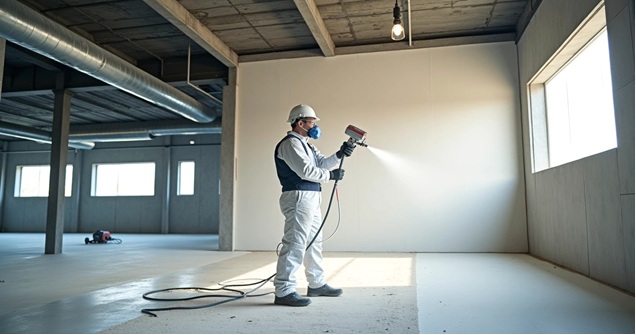
blown-in insulation

Insulation Contractor

How to Choose the Right Insulation Contractor in Langley: A Complete Guide for Homeowners

How to Choose the Right Insulation Contractor in Langley: A Complete Guide for Homeowners If your Langley home feels cold in winter, uncomfortably warm in summer, or your energy bills just keep climbing — the culprit is almost always inadequate or aging insulation. The right insulation contractor can transform your home’s comfort while significantly cutting your monthly heating and cooling costs. But with so many options available, how do you choose the best insulation contractor in Langley for your specific needs? This guide walks you through everything you need to know — from understanding the types of insulation services available to what questions to ask before hiring, and why local expertise matters. Why Insulation Matters for Langley Homes and Businesses Langley sits in the heart of BC’s Fraser Valley, where cool, damp winters and warm summers put constant pressure on your home’s thermal envelope. Without proper insulation, heat escapes through your attic, walls, basement, and crawlspace all winter long — and in summer, that same heat pours right back in. According to energy efficiency data, a properly insulated Langley home can reduce heating and cooling costs by 20–30% annually. Over a lifetime, that adds up to thousands of dollars in savings — and a far more comfortable living environment year-round. Whether you own a single-family home in Walnut Grove, a strata complex in Willoughby, or a commercial property in Langley City, the principles are the same: quality insulation installed by experienced professionals pays for itself many times over. Types of Insulation Contractors You’ll Find in Langley Not all insulation contractors offer the same services. Understanding the difference helps you find the right match for your project. Residential Insulation Contractors Residential insulation contractors specialize in homes — from new construction to older properties needing upgrades. In Langley, where many homes were built in the 1970s–1990s with outdated insulation standards, upgrading to modern materials like blown-in insulation or Propink™ fibreglass batts can make a dramatic difference. Key residential services typically include attic insulation (the most impactful upgrade), basement and crawlspace insulation, wall insulation, and insulation removal and replacement after water damage or pest infestation. Commercial Insulation Contractors Commercial insulation contractors work on office buildings, retail spaces, warehouses, and strata complexes. These projects require knowledge of BC building codes for commercial properties, fire-rated assemblies, and acoustic insulation solutions. If you manage a Langley strata or commercial property, look for a contractor who has demonstrated experience with multi-unit buildings and code compliance. Industrial Insulation Contractors Industrial insulation covers facilities like manufacturing plants, cold storage buildings, and large warehouses in areas like Langley’s industrial parks. This work often involves mechanical insulation, pipe insulation, and specialized thermal barriers that go well beyond standard residential or commercial scope. What to Look for in an Insulation Contractor Near You in Langley When searching for an insulation contractor near you in Langley, the lowest quote isn’t always the best choice. Here’s what separates a reliable contractor from a risky one: The Most Common Insulation Services in Langley Here’s a quick overview of the most popular services residential and commercial insulation contractors offer in the Langley area: Attic Insulation The attic is where up to 40% of a home’s heat escapes. Upgrading to R-50 attic insulation is the single highest-impact improvement most Langley homeowners can make. Materials like blown-in fibreglass or Owens Corning Propink™ are well-suited to BC’s climate and can last 25+ years. Blown-In Insulation Blown-in insulation is ideal for existing homes where access to wall cavities or attic spaces is limited. It fills gaps and hard-to-reach areas more effectively than batts, delivering R-30 to R-40 performance without requiring major renovation work. Basement and Crawlspace Insulation Langley’s wet climate makes moisture control in basements and crawlspaces critical. Moisture-resistant insulation materials installed to R-20 can prevent mold growth, eliminate drafts, and reduce heating costs significantly. Commercial and Strata Insulation For Langley strata councils and commercial property managers, insulation upgrades reduce operating costs and improve unit-to-unit comfort. Fire-rated and soundproofing insulation solutions are available to meet BC building code requirements for multi-unit properties. Government Rebates Available for Langley Insulation Projects One of the most compelling reasons to upgrade your insulation now is the availability of substantial government rebates in BC. Through programs administered by BC Hydro, FortisBC, and CleanBC, eligible Langley homeowners can receive up to $5,500 back on qualifying insulation projects. The application process can be complex — there are eligibility requirements, pre-approval steps, and documentation deadlines. The best insulation contractors in Langley will handle this entire process on your behalf, from checking your eligibility to submitting all paperwork, so you don’t leave money on the table. Why Western Insulation Is Langley’s Trusted Choice Western Insulation has been serving Langley and the broader Lower Mainland since 1998 — more than 25 years of local expertise. Recognized as the #1 Best Rated Insulation Contractor in Langley for 2025 with a quality score exceeding 95%, our team has completed over 2,400 projects across Langley City, Langley Township, Walnut Grove, Willoughby, Fort Langley, Aldergrove, and surrounding communities. We offer free thermal imaging assessments to identify exactly where your home is losing heat, provide transparent quotes, handle all rebate paperwork, and back our work with comprehensive warranties. Our certified installers work with attic insulation, blown-in insulation, Propink™, basement and crawlspace insulation, and commercial insulation — covering every corner of your property. Ready to Get Started? Here’s What to Do Next If you’re looking for insulation contractors near you in Langley, the next step is simple: book a free, no-obligation assessment. Our local Langley team will visit your property, conduct a thorough inspection including thermal imaging, and provide a clear recommendation tailored to your home’s needs and your budget. Call Western Insulation today at (778) 488-0797 or visit our website to request your free quote. We’re available 7 days a week, and we’ll handle everything — from choosing the right insulation to maximizing your rebate savings.
How to Choose the Right Insulation Contractor in Langley: A Complete Guide for Homeowners Read More »

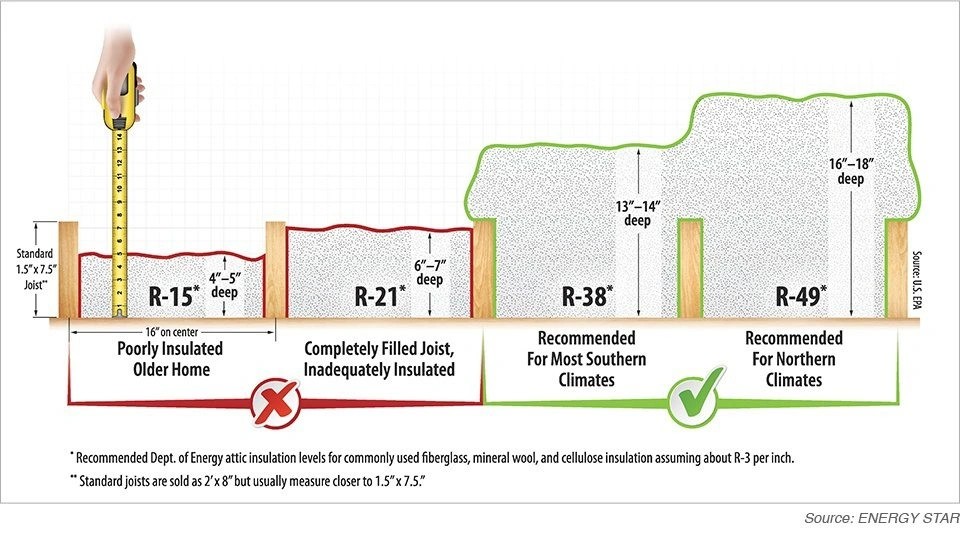
Western Insulation attic insulation R-value chart R-15 to R-49 Langley guide

Why Loose Fill Insulation Could Cut Your Heating Bills in Half

Why Loose Fill Insulation Could Cut Your Heating Bills in Half Want to cut down your energy costs? Loose fill insulation could lower your energy bills by 15 to 25 percent, based on your climate and current insulation setup. This economical solution delivers great energy efficiency and remains available to both professionals and ambitious DIY enthusiasts. You’ll need to pick between cellulose and fiberglass materials for blown insulation. Cellulose insulation comes from recycled paper products and packs an impressive R-value of about 3.5 per inch. This outperforms fiberglass insulation’s R-value of 2.2 to 2.7 per inch by a lot. On top of that, it’s eco-friendly and lasts 20-30 years. Fiberglass loose-fill insulation stands out for its stability and shows no signs of settling, even after extensive testing that mimics years of use. The choice is yours – hire professionals who’ll charge around $1,500 to $2,000 for a 1,200-square-foot house, or do it yourself for about $500. Blown-in insulation gives you an economical path to better energy efficiency. In this piece, we’ll show you why loose-fill insulation works better than you might think, help you compare materials, and steer you clear of common installation pitfalls. Why Loose-Fill Insulation Is More Efficient Than You Think Loose fill insulation’s amazing efficiency comes from its power to build a complete thermal barrier. Unlike rigid batts that create gaps, blown insulation reaches every corner of your home’s structure. This coverage makes a huge difference in ground performance. The tight seal against drafts stands out as one of the biggest reasons this insulation saves energy. It fits perfectly into irregular spaces and odd-shaped areas, which gets rid of cold spots you often find with traditional methods. Loose fill also does a great job around electrical wiring, plumbing, and air ducts that usually leave empty spaces in other types of insulation. Your home’s temperature stays steady thanks to this smooth coverage. Heat highways through wall frames create a serious problem in standard construction. These thermal bridges can cut your wall’s effective R-value in half. Loose fill insulation helps alleviate this issue by covering everything more thoroughly. The benefits last for years too. Tests prove that fiberglass blown insulation doesn’t settle, even after simulating long-term use. Many homeowners love that some loose-fill products come with borate treatments to keep pests away. Comparing Cellulose and Fiberglass Loose-Fill Options Understanding the differences between cellulose and fiberglass is a vital part of selecting loose-fill insulation options that work best. Cellulose insulation contains about 80% recycled newspaper with fire retardant treatment. The material’s R-value ranges from 3.2 to 3.8 per inch, which makes it perform better thermally than fiberglass. The University of Colorado’s research revealed that buildings with cellulose insulation used 26% less energy compared to those with fiberglass. Fiberglass insulation has 40-60% recycled glass content and delivers an R-value of 2.2 to 2.7 per inch. This material might be less effective inch-by-inch, but it offers better moisture resistance and lasts longer. Cellulose creates more dust during installation but fills cavities more thoroughly. The material’s air sealing capability surpasses fiberglass, improving building air tightness by 74% compared to fiberglass’s 41%. Notwithstanding that, cellulose’s settling issue remains problematic, with volume loss reaching up to 20% over time. Fiberglass proves more stable with minimal settling of less than 1.5%. Both materials benefit the environment significantly. Cellulose uses around 330,000 tons of recycled newspaper each year. Fiberglass manufacturing becomes more energy-efficient with recycled content – energy consumption drops by 1% for each percent of glass cullet above 10%. The budget-friendly option is fiberglass, which costs between CAD 0.42 and CAD 2.09 per square foot. Cellulose comes at a higher price range of CAD 0.84 to CAD 5.85. Common Mistakes to Avoid When Installing Blown Insulation Poor installation of loose fill insulation reduces its effectiveness and creates potential safety hazards. Professional installers sometimes miss key steps that affect how well it works. Skipping air sealing beforehand is the worst mistake you can make. While insulation slows down heat transfer, it won’t stop air from flowing through. Your insulation becomes much less effective when conditioned air escapes through gaps around plumbing, electrical wiring, and recessed lights. Problems with ventilation are next on the list. Your insulation shouldn’t block soffit vents since this limits vital airflow. You need at least 2 inches of space between insulation and roof sheathing. Installing proper vent chutes will help maintain this gap. When it comes to recessed lighting, covering non-IC rated fixtures with insulation is dangerous and could start a fire. Make sure to check fixture ratings first and use the right covers. Moisture problems need your attention too. Cellulose insulation soaks up moisture easily, which leads to mold growth and makes it less effective. Look for leaks, check your ventilation, and fix any existing moisture issues before you start the installation. Your attic needs 11-14 inches of cellulose to reach an R-value of 38-49. You might want to use an insulation calculator to figure out exactly what your climate zone requires. Musty smells after installation usually mean you have hidden moisture problems that you should deal with right away. Conclusion Loose fill insulation is an affordable way to cut down your home’s energy costs. This cost-saving option can slash your heating bills and fits perfectly into irregular spaces in your home. Of course, knowing how to fill every nook and cranny gives loose fill a clear edge over traditional batt insulation. Your specific needs will determine whether cellulose or fiberglass works better. Cellulose performs better thermally and seals air more effectively, but it might settle as time passes. Fiberglass resists moisture well and stays stable longer with minimal settling. Both materials will substantially improve your home’s energy efficiency. Professional installation is the most hassle-free way to go, though it costs more. You can get great results doing it yourself at about 25% of what professionals charge. The right installation techniques make all the difference. You should seal air leaks first, keep proper ventilation and handle recessed lighting the right way

Why Loose Fill Insulation Could Cut Your Heating Bills in Half Read More »

bc-hydro.png
clean-bc.png
fortis-bc.png
Get Rebates On Your Insulation