Batt Insulation in Langley BC: Is It the Right Choice for Your Home?
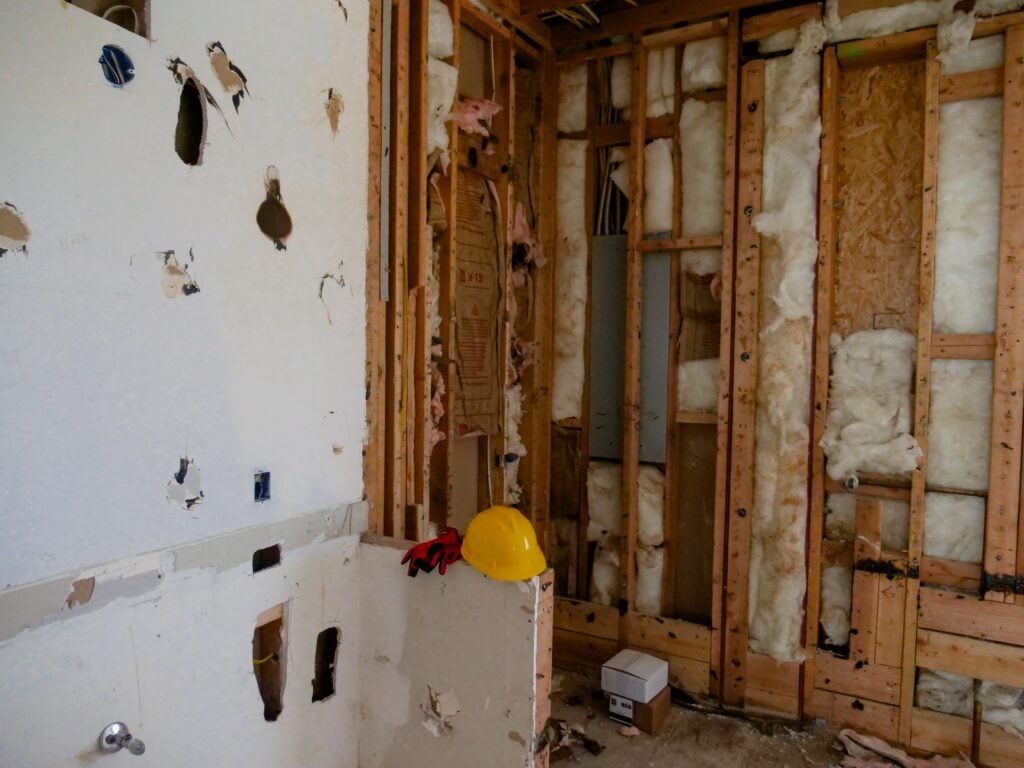
Batt Insulation in Langley BC: Is It the Right Choice for Your Home? Walk into any building supply store in Langley and batt insulation is impossible to miss. Stacked in rolls and pre-cut sections along entire aisles, it is the most visible, most familiar, and most widely recognised insulation product available — and for good reason. Batt insulation has been the standard choice for Canadian residential construction for decades, and it remains one of the most practical and cost-effective options available today. But familiarity can create confusion. Is batt insulation always the right choice? Where does it perform best and where does it fall short? What is the difference between fibreglass batts and mineral wool batts — and does it matter for a Langley home? And when should you choose blown-in or spray foam instead? This guide answers every one of those questions clearly, so Langley homeowners can make a confident, informed decision before any insulation project begins. What Is Batt Insulation and How Does It Work? Batt insulation is a pre-formed, flexible insulation product manufactured in panels or rolls sized to fit standard stud and joist spacing — typically 16 inches or 24 inches on centre. It is installed by pressing or cutting the batt to fit snugly between framing members, where it works by trapping millions of tiny air pockets within its fibrous structure, slowing the transfer of heat through the wall, floor, or ceiling assembly. The two most common types used in Langley residential construction are fibreglass batts and mineral wool (rock wool) batts. Both work on the same principle but differ significantly in performance characteristics, and understanding those differences is essential to choosing the right product for your specific application. Fibreglass Batts vs Mineral Wool Batts: What Langley Homeowners Need to Know Fibreglass Batt Insulation Fibreglass batts are made from spun glass fibres and have been the dominant residential insulation product in Canada for over 50 years. They are lightweight, widely available, non-combustible, and available in a range of R-values from R-12 (for 2×4 walls) up to R-22 and beyond (for 2×6 framing). They are also the most budget-friendly batt option, which is why they remain the standard in new construction across Langley and the Fraser Valley. Properly installed — cut accurately, fitted snugly without compression, and combined with thorough air sealing — fibreglass batts deliver reliable, consistent thermal performance. The critical word is properly. Fibreglass batts are more sensitive to installation quality than almost any other insulation product. A compressed batt, a gap around an electrical box, or a poorly fitted section at a joist can reduce the real-world performance of a fibreglass wall assembly significantly. This is one reason Western Insulation recommends professional installation for any project where thermal performance is the primary goal. One important characteristic of fibreglass batts in Langley’s climate: they absorb moisture when wet. In a well-constructed wall assembly with appropriate vapour control, this is not a problem. But in a crawlspace, an area with known moisture issues, or any application where the batt is directly exposed to damp conditions, fibreglass degrades and loses R-value over time. For those applications, our spray foam or rigid foam services are the more appropriate choice. Mineral Wool (Rock Wool) Batts Mineral wool batts — often sold under brand names like Rockwool Comfortbatt — are made from spun volcanic rock and industrial slag. They are denser, heavier, and more rigid than fibreglass, and they offer several performance advantages that make them the preferred choice in specific applications. Mineral wool is naturally water-repellent. Unlike fibreglass, it does not absorb or hold moisture, which makes it more resilient in BC’s damp climate and a strong choice for exterior wall assemblies. It is also non-combustible to a significantly higher temperature than fibreglass — an important consideration for fire-rated wall assemblies in strata buildings or secondary suites. The acoustic performance of mineral wool is where it truly stands out. Because it is denser than fibreglass, it absorbs sound waves more effectively across a wider frequency range. When Langley homeowners are insulating interior walls between suites, bedrooms, or home offices, mineral wool batts deliver noticeably better noise reduction than fibreglass in the same wall cavity. For a full discussion of acoustic insulation for Langley homes, see our guide to soundproofing insulation in Langley. Mineral wool batts typically cost 20–40% more than equivalent fibreglass products, but in the applications where their specific properties matter — moisture-exposed locations, fire-rated assemblies, and acoustic walls — that premium is well justified. Where Batt Insulation Performs Best in Langley Homes Batt insulation is not a one-size-fits-all solution, but there are several applications where it is clearly the right choice: Open Wall Cavities in New Construction or Renovation When wall studs are exposed — either in a new build or during a renovation where drywall has been removed — batt insulation is the most practical and efficient way to fill wall cavities. It is fast to install, fits standard framing dimensions without cutting equipment, and achieves consistent R-values when installed carefully. For Langley homeowners undertaking a renovation that involves opening exterior walls, combining batt insulation in the stud cavity with a layer of continuous rigid foam insulation on the exterior brings the whole wall assembly to the effective R-22 to R-24 required by current BC Building Code. Accessible Attic Areas with Standard Joist Spacing In attic spaces with standard 16-inch joist spacing and good access, fibreglass or mineral wool batts can be installed between joists as a first layer, with blown-in insulation added on top to bring the total to the R-50 to R-60 target recommended for Langley homes. This combination approach delivers both the structured air sealing benefit of fitted batts at the joist level and the uniform coverage of blown-in above. Floor Assemblies Over Unheated Spaces Floors above unheated garages or open crawlspaces are a common application for batt insulation in Langley homes. Fibreglass batts fitted between floor joists provide thermal resistance against the cold below, keeping ground-floor rooms warmer in winter.
Batt Insulation in Langley BC: Is It the Right Choice for Your Home? Read More »